Key Takeaways
- President Bola Tinubu defended his request for fresh international loans, arguing that their value depends on what Nigeria builds with them.
- Tinubu said the Lagos-Calabar Coastal Highway could add up to two per cent to Nigeria’s GDP and generate about 100,000 direct jobs.
- Tinubu said Nigeria’s borrowing costs and country risk premium had fallen, citing positive assessments from international credit rating agencies as evidence of improved confidence.
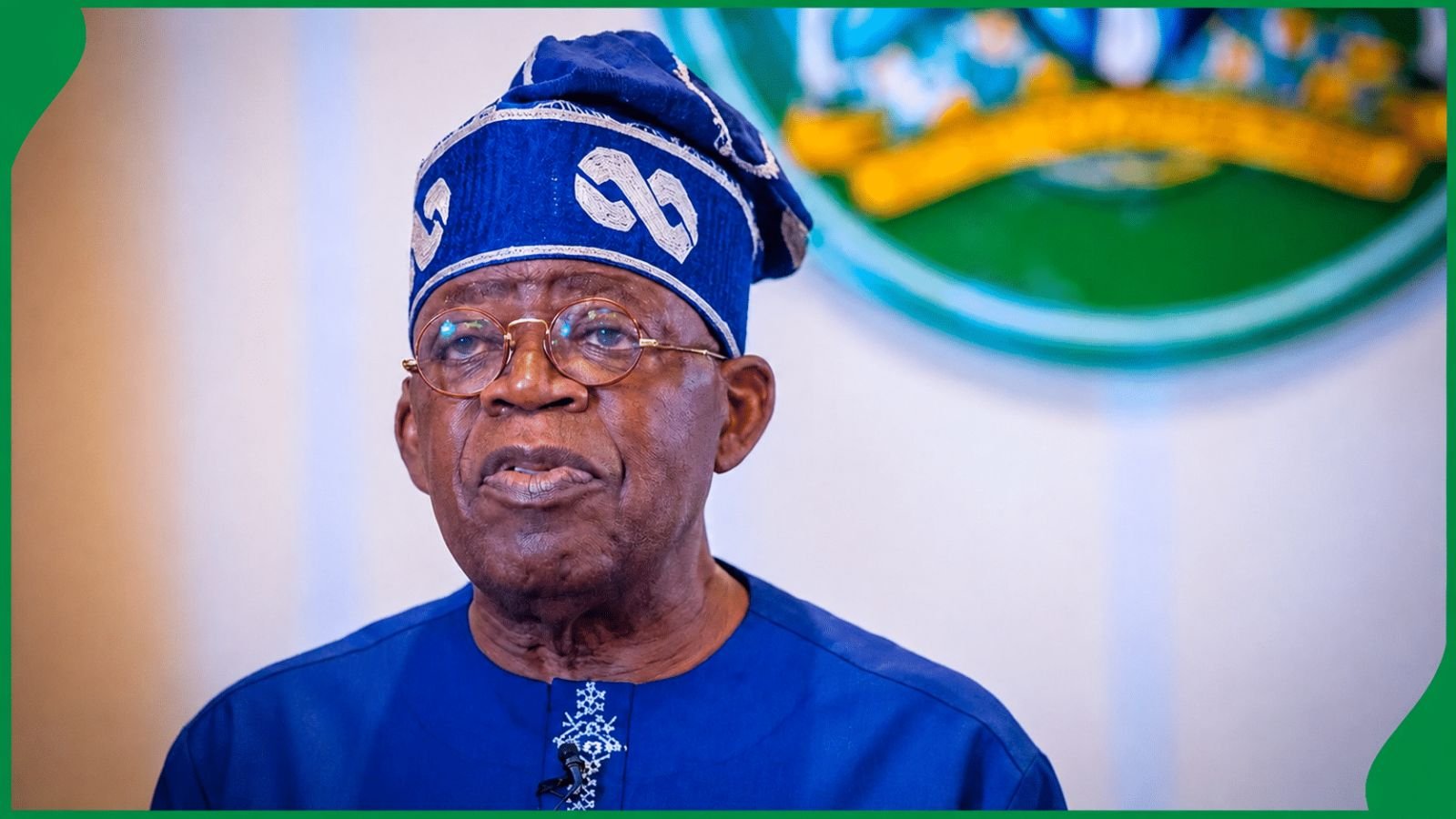
President Bola Tinubu has defended his request for new loans from international institutions and banks.
He argued that it was not about how the country borrowed but what the funds were used for.
“The real question is not how much we borrow, but what we build, what value we create and what future we leave behind,” Tinubu said according to his spokesperson, Bayo Onanuga.
Naija News reports that the president’s spokesman, Bayo Onanuga, stated this in a statement on 𝕏 on Thursday.
In the essay titled “From reforms to delivery: Our infrastructure investment and growth strategy,” Tinubu identified the Lagos-Calabar Coastal Highway, Sokoto-Badagry Superhighway, Trans-Sahara Superhighway, electricity grid upgrades and the modernisation of key commercial ports in Lagos as major projects expected to strengthen Nigeria’s productive capacity.
“These, alongside investments in healthcare, education and vocational training, would connect economic regions, reduce logistics costs, unlock agricultural and industrial potential and attract private investment.
“The Lagos-Calabar Coastal Highway is expected to cut logistics costs along its corridor by 15 to 20 per cent and could add up to two per cent to Nigeria’s GDP through expanded trade, tourism and industrial activity.
“It is also projected to generate about 100,000 direct jobs in construction and engineering, alongside more than 150,000 indirect jobs in logistics, materials and related services.
“We are not simply building highways. We are opening economic corridors, connecting markets, unlocking industries and reshaping Nigeria’s economic geography,” the President said.