Health experts in Nigeria have urged residents to avoid handling snakes and to seek prompt medical attention for snakebites, as Nigeria records an estimated 43,000 cases annually.
The cases result in between 1,099 and 2,500 deaths yearly.
The experts gave the advice at a national training workshop on snakebite handling, treatment, and management at the Lekki Conservation Centre, Lagos, on Tuesday, October 27.
A medical expert, Abubakar Ballah, described snakebite as a neglected tropical disease, identifying the carpet viper as responsible for about 66 per cent of snakebite deaths in Nigeria.
Ballah cited World Health Organisation estimates of 5.4 million snakebites globally each year, resulting in 81,000 to 138,000 deaths and about 400,000 cases of permanent disability.
He identified Gombe, Plateau, Bauchi, Benue, and Taraba as major snakebite-endemic states, particularly within the Niger-Benue trough and Sudan Savanna.
According to him, farmers, herders, children, and hunters are among the most vulnerable, with cases often peaking during farming, rainy, and harvest seasons.
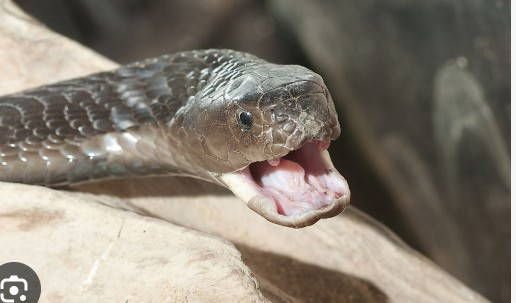
Ballah identified the carpet viper, puff adder, and black-necked spitting cobra as Nigeria’s three medically important snakes.
He said their venom could cause severe bleeding, tissue destruction, kidney injury, neurological complications, and respiratory paralysis.
He warned that delayed hospital presentation and harmful first aid could worsen patients’ conditions.
He said such practices include applying tight tourniquets, cutting bite wounds, using animal dung, and resorting to traditional remedies.